
Why Is My Dog Limping Suddenly? Acute Lameness Explained
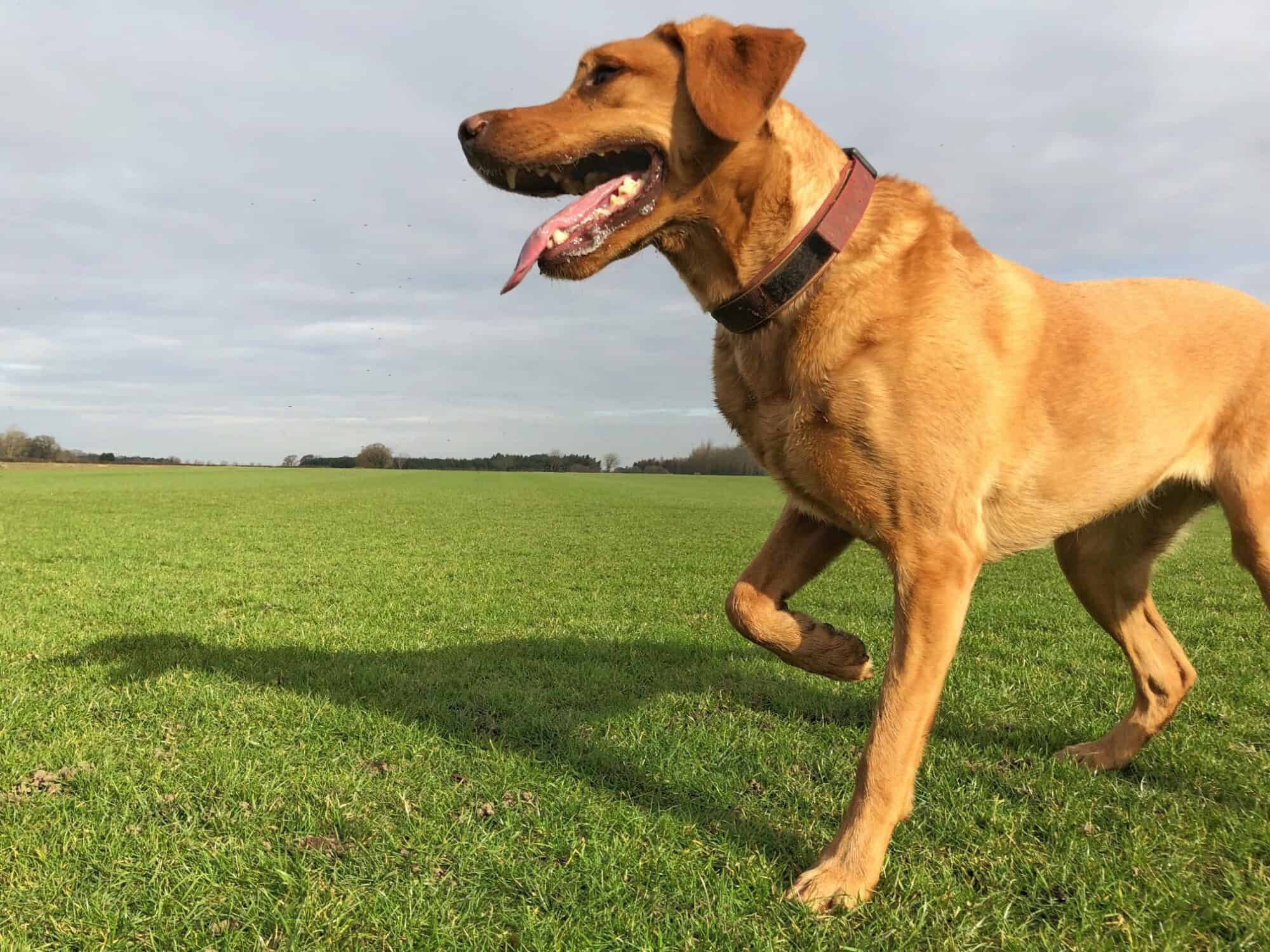
One minute, your dog is trotting along normally. Next, you notice sudden limping, moving gingerly, or refusing to walk at all. Sudden limping can be alarming, especially when it seems to come out of nowhere. At Allure Veterinary Partners in Rancho Cordova, CA, we often see concerned pet parents wondering what caused the change and what to do next.
Acute lameness, or sudden limping, can range from mild and temporary to more serious. Understanding the possibilities can help you know when to monitor at home and when it’s time to call your veterinarian.
What Does Sudden Limping Usually Mean?
Sudden limping typically points to pain or discomfort in a limb. Sometimes the cause is obvious, like a rough landing during play. Other times, there’s no clear moment when something went wrong.
Limping can look different depending on the issue. Some dogs favor a leg but still walk, while others refuse to put any weight on it. If your dog won’t put weight on a leg, that’s often a sign the pain is significant and shouldn’t be ignored.
Common Causes of Acute Lameness in Dogs
Sudden limping can stem from a wide range of issues, affecting the muscles, bones, joints, or even the paws. Below are some of the more common culprits veterinarians see.
It’s important to remember that many of these conditions can look similar at home, even though they require very different treatments.
- Soft tissue injuries, such as muscle strains or ligament sprains
- Paw injuries, including cuts, torn nails, or something lodged between the toes
- Joint problems, like a sudden flare-up of arthritis or a knee injury
- Bone injuries, including fractures or stress injuries
- Infections or inflammation, which may cause pain without visible swelling
Because signs can overlap, it’s not always easy to tell what’s going on without an exam.
Sprain or Fracture: Why It’s Hard to Tell at Home
One of the most common questions we hear is whether a limp is “just a sprain” or something more serious. A sprain may cause mild to moderate limping that improves with rest, while a fracture often causes severe pain and swelling. However, some fractures can look surprisingly subtle at first, and some sprains can be quite painful.
X-rays and a hands-on exam are often the only reliable ways to determine whether your dog has a sprained leg vs. a fracture and decide the safest next steps.
When Limping Is an Urgent Concern
Not every limp requires an emergency visit, but certain signs should prompt a call to your veterinarian right away. These include sudden, severe pain or limping that doesn’t improve.
You should seek veterinary care promptly if you notice any of the following:
- Your dog won’t put weight on a leg
- Visible swelling, bleeding, or an abnormal limb angle
- Crying out, panting excessively, or signs of intense pain
- Limping that lasts more than 24 hours or worsens
An urgent care evaluation can help prevent further injury and make your dog comfortable sooner.
What You Can Do While You Wait
If your dog starts limping suddenly, limiting activity is one of the most helpful first steps. Keep them from running or jumping and avoid giving any human pain medications, which can be dangerous for pets.
Even if the limp appears mild, close monitoring and scheduling a wellness visit are often the safest choices. Small problems can become bigger ones when left untreated.
Helping Your Dog Get Back on Their Feet
Sudden limping is stressful, but the good news is that many causes of acute lameness are treatable, especially when caught early. Whether it’s a minor injury or something more complex, getting answers brings peace of mind and relief for your dog.
If your dog is limping or suddenly refusing to bear weight, don’t wait it out. Call the friendly staff at Allure Veterinary Partners at (916) 680-9975 to schedule a wellness visit or urgent evaluation. We’ll assess what’s going on, explain your options clearly, and get your dog moving comfortably again.