
Why Is My Pet Losing Fur? Common Causes of Hair Loss in Dogs and Cats
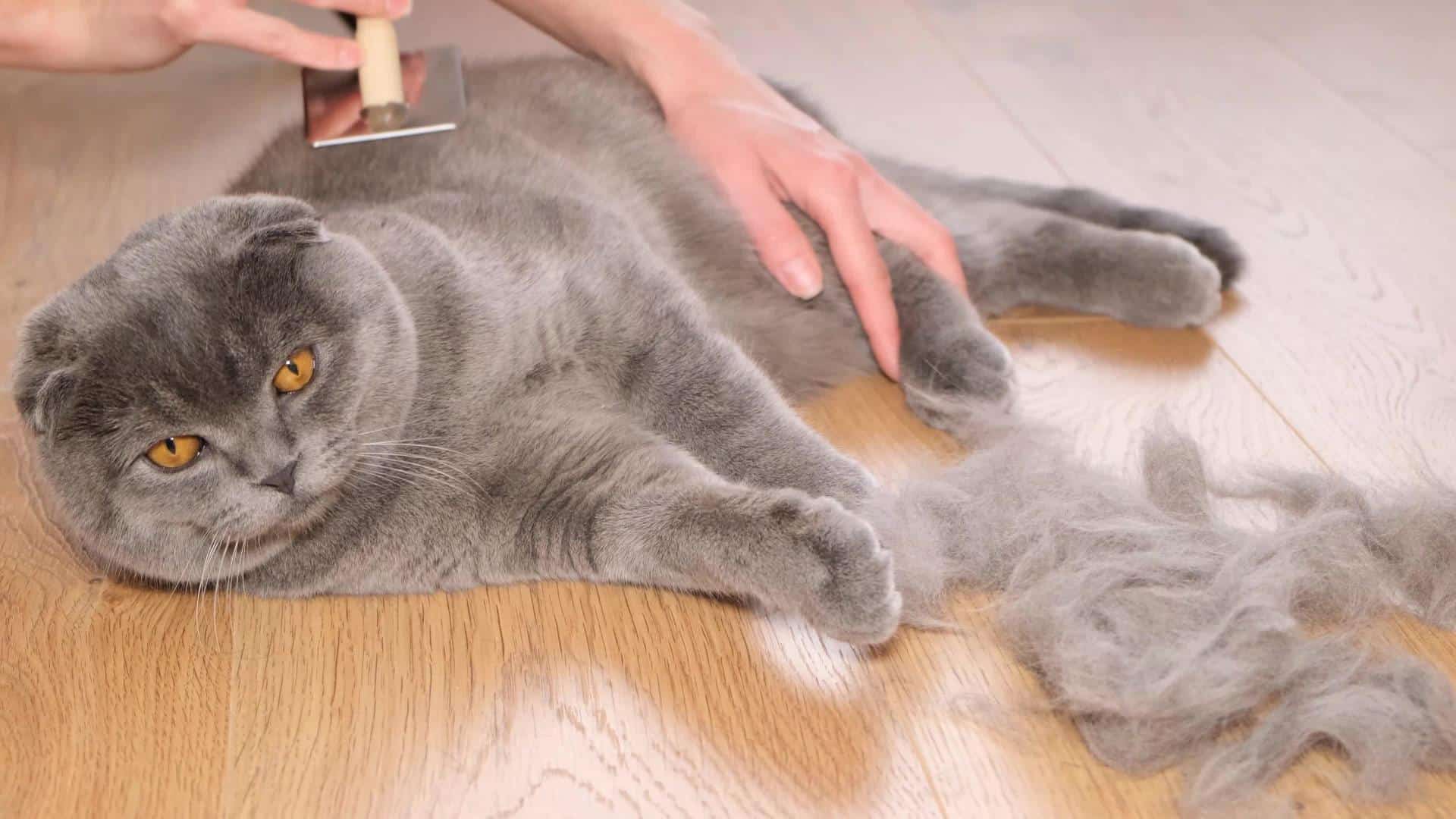
Finding a bald patch on your pet can be concerning. Whether you’re noticing hair loss in dogs or a cat losing fur in certain areas, changes to the coat are often a sign that something more is going on beneath the surface. While some causes are relatively minor, others may require veterinary attention.
At Allure Veterinary Partners in Rancho Cordova, CA, we’re here to help identify the cause and keep your pet comfortable, healthy, and looking their best.
What Is Alopecia in Pets?
The medical term for hair loss is alopecia. Alopecia in pets isn’t a disease itself but rather a symptom of an underlying issue. Hair loss may occur in small patches, affect larger areas of the body, or develop gradually over time.
In some cases, pets may also experience itching, redness, flaky skin, scabs, or excessive grooming. These additional signs can provide important clues about what’s causing the problem.
Common Causes of Hair Loss in Dogs and Cats
There are many possible reasons for coat changes. Some of the most common causes include:
- Fleas, mites, or other external parasites
- Skin allergies caused by food, environmental triggers, or flea bites
- Bacterial or fungal skin infections
- Excessive licking, chewing, or grooming due to stress or discomfort
- Hormonal disorders, such as hypothyroidism or Cushing’s disease
- Nutritional deficiencies
- Certain autoimmune conditions
Because several conditions can look very similar on the surface, it’s important not to assume the cause based on appearance alone.
A thorough veterinary examination can help determine what’s contributing to the hair loss and whether treatment is needed.
Why Is My Dog Losing Hair?
Hair loss in dogs can result from many causes, ranging from simple skin irritation to more complex medical conditions. Some dogs develop bald patches after persistent scratching, while others lose fur due to hormonal imbalances that affect normal hair growth.
You may notice:
- Thinning hair along the back or sides
- Bald spots around the ears, face, or tail
- Red, irritated skin
- Frequent scratching or chewing
- Changes in skin color or texture
If these signs persist or worsen, a veterinary evaluation can help identify the underlying cause and prevent further discomfort.
Why Is My Cat Losing Fur?
If you have a cat losing fur, the cause isn’t always obvious. Cats are excellent groomers, and excessive grooming can sometimes remove enough hair to create thin or bald areas.
Common reasons a cat may lose fur include:
- Flea allergy dermatitis
- Stress-related overgrooming
- Skin infections
- Allergies
- Pain or discomfort in a specific area of the body
Cats often hide illness well, so even subtle coat changes deserve attention. Addressing the issue early can help prevent complications and improve your cat’s quality of life.
When Should You Schedule a Veterinary Visit?
While seasonal shedding is normal, unexplained hair loss should never be ignored. It’s a good idea to schedule an appointment if your pet develops bald patches, persistent itching, skin irritation, sores, or noticeable thinning of the coat.
Our veterinarians and staff may recommend diagnostic testing, such as skin examinations, parasite screening, blood work, or allergy evaluations, to determine the root cause of the problem. Once a diagnosis is made, treatment can be tailored to your pet’s specific needs.
Help Your Pet Feel Comfortable Again
Call (916) 680-9975 today to schedule an appointment or book a wellness visit. Together, we can identify the cause of your pet’s hair loss and create a plan to support healthier skin and a healthier coat.