Why Does My Dog Keep Licking Its Paws? Allergy Signs to Watch For
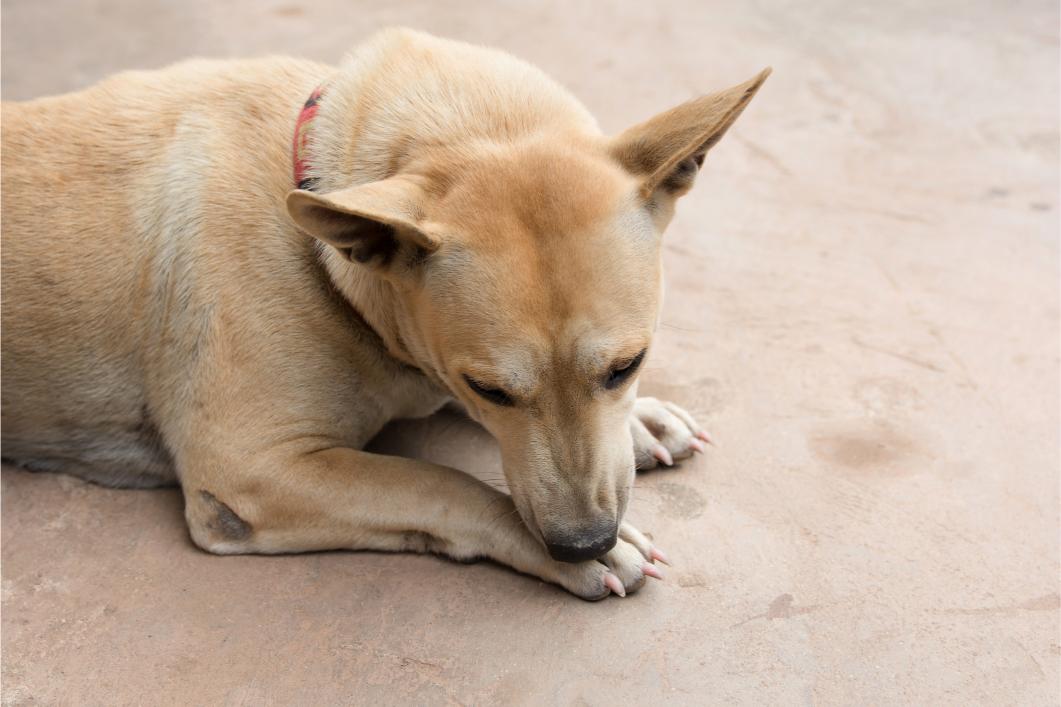
If you’ve noticed your dog licking their paws constantly, it’s natural to wonder whether it’s just normal grooming or something more. While a little licking is completely typical, ongoing attention to the paws is often a sign that something isn’t quite right. At Allure Veterinary Partners in Rancho Cordova, CA, we frequently see this behavior tied to allergies and skin irritation that deserve a closer look.
Itchy Paws and Your Dog: What Are Common Causes?
Paw licking can stem from a variety of issues, but allergies are one of the most common culprits. Dogs experience allergies differently from people, especially when it comes to environmental triggers. With environmental allergies in dogs, things like pollen, grass, mold, and dust are more likely to cause itchy skin than sneezing or watery eyes. Irritation often shows up on the paws, leading to persistent licking.
Some of the most frequent causes include:
- Pollen, grass, mold, or dust in the environment
- Food sensitivities that trigger skin irritation
- Parasites like fleas or mites
- Skin infections caused by bacteria or yeast
- Injuries, splinters, or foreign objects lodged in the paw
If your dog seems especially focused on their feet after being outside, environmental triggers may be to blame. On the other hand, year-round licking could point to something like food allergies or a chronic skin condition.
No matter the cause, ongoing irritation can quickly lead to redness, swelling, or even infection, so it’s worth paying attention when licking becomes a habit.
How to Spot Dog Allergy Symptoms
Because dogs can’t tell you what’s bothering them, their behavior and physical changes become your best clues. In addition to licking, there are several dog allergy symptoms you might notice.
Keep an eye out for:
- Red, inflamed, or swollen paws
- Chewing or biting at the feet or legs
- Hair loss around the paws
- A strong or unusual odor coming from the feet
- Frequent ear infections or head shaking
- Scratching, especially around the face, ears, or belly
These symptoms often overlap, and they may come and go depending on the season or exposure to allergens. If your dog is licking their paws constantly and you’re seeing any of these signs, it’s a good idea to have them evaluated sooner rather than later.
Why Paw Licking Shouldn’t Be Ignored
It might seem harmless at first, but excessive licking can quickly escalate. Dogs can create what’s known as a “lick cycle,” where irritation leads to licking, and licking makes the irritation worse.
Over time, this can result in:
- Open sores or raw skin
- Secondary infections
- Thickened, discolored skin
- Chronic discomfort that affects your dog’s mood and activity level
In some cases, persistent paw licking may even signal a more serious issue, such as an untreated infection or an embedded foreign object. That’s why it’s always better to investigate early rather than wait for things to worsen.
What You Can Do to Help Your Dog
If you suspect allergies or irritation, there are a few simple steps you can take at home while planning your next visit:
- Wipe your dog’s paws after walks to remove potential allergens
- Keep their nails trimmed and paws clean and dry
- Monitor for changes in behavior or worsening symptoms
- Avoid introducing new foods or treats without guidance
That said, home care can only go so far. Identifying the root cause often requires a more thorough evaluation and a tailored treatment plan.
When to Call Your Veterinarian
If your dog’s paw licking is persistent, worsening, or accompanied by other symptoms, it’s time to bring in the experts. Our veterinarians and staff can help pinpoint the cause of the irritation and recommend solutions that provide real relief—whether that’s allergy management, medications, or diagnostics.
Get In Touch
At Allure Veterinary Partners, we take a personalized approach to your pet’s care. Call us at (916) 680-9975 to schedule a wellness visit today. Be sure to ask about our wellness plans, which are designed to support your dog’s health at every stage of life.