
Why Does My Cat Have Diarrhea but Still Acts Normal?
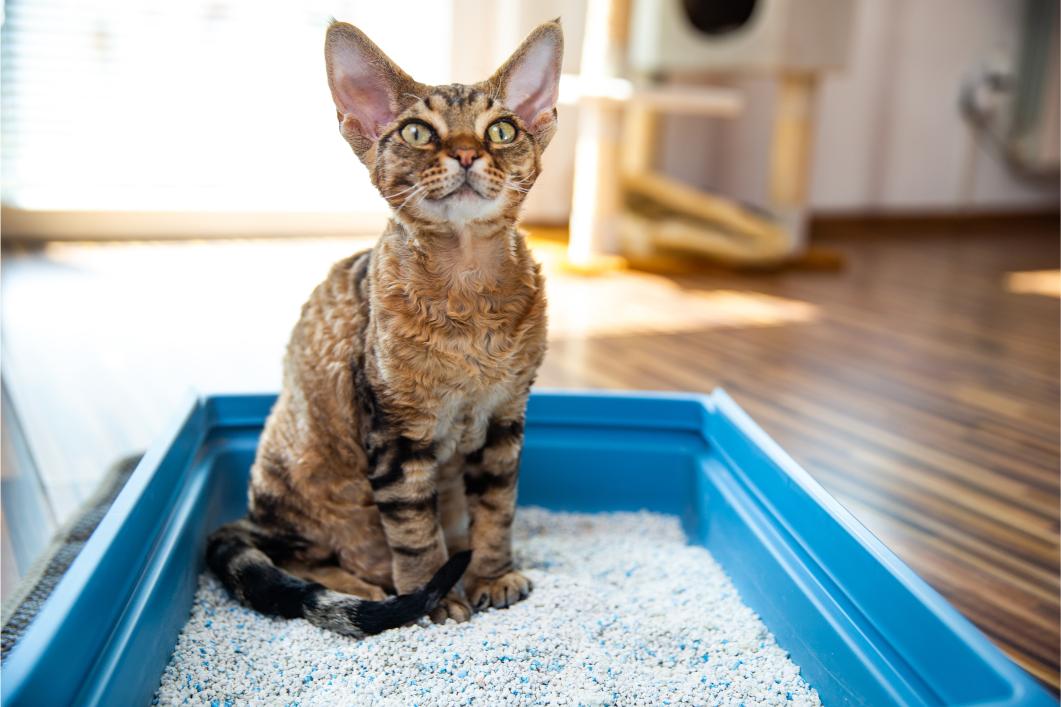
It can feel confusing, even concerning. You scoop the litter box and spot soft stool, yet your feline friend is still playful, purring, and perfectly pleased with life. When a cat seems cheerful despite digestive drama, many pet parents wonder whether to worry or wait.
The truth sits somewhere in the middle. Occasional soft stool in cats might just be a mild disturbance, but chronic diarrhea in cats deserves a closer look.
Common Cat Diarrhea Causes in Otherwise Happy Cats
Cats can experience brief bouts of digestive upset without showing other signs of illness. If your cat is eating, drinking, and behaving normally, one of these everyday explanations may be at play:
- Dietary detours: A sudden food switch, rich treats, or sneaking table scraps can upset sensitive stomachs
- Food intolerance: Some cats react to specific proteins or ingredients
- Stress and schedule shifts: Travel, visitors, or home changes can trigger temporary tummy trouble
- Minor infections or parasites: Mild intestinal bugs may cause short-lived soft stool in cats
In many of these cases, a cat’s potty habits return to normal within a day or two. Careful observation is key. Keep an eye on your cat’s litter box, appetite, and energy levels.
When Normal Behavior Hides a Bigger Issue
Sometimes chronic diarrhea in cats develops slowly while a cat continues to act mostly normal. Because cats are skilled at masking discomfort, ongoing soft stool in cats should never be ignored.
Longer-lasting diarrhea can point to underlying cat intestinal disease or other medical concerns, such as:
- Inflammatory bowel conditions that irritate the digestive tract
- Parasites that persist without obvious outward signs
- Bacterial imbalances in the gut
- Pancreatic or metabolic disorders
- Food allergies requiring specialized diets
Contact your veterinarian if diarrhea lasts more than a few days, recurs frequently, or is paired with weight loss, vomiting, or appetite changes.
What to Watch for at Home
While monitoring your cat, pay attention to subtle signals that suggest the problem is progressing:
- Increased frequency or urgency in the litter box
- Blood or mucus in the stool
- Gradual weight loss
- Dull coat or decreased grooming
- Slight dips in energy or appetite
At Allure Veterinary Partners, our team can run diagnostic tests, examine stool samples, and recommend tailored treatments. Early evaluation helps prevent dehydration and ensures that chronic diarrhea in cats is addressed before complications arise.
A Calm, Careful Approach
If you notice diarrhea in an otherwise lively cat, see it as an opportunity for attentive care. Many cat diarrhea causes are manageable once identified. With careful monitoring and prompt veterinary guidance, most cats return to comfortable digestion and their usual spirited selves.
A happy attitude does not always equal a healthy gut. When in doubt, a compassionate checkup offers clarity and peace of mind for both you and your feline companion. Contact us today at (916) 680-9975 if you have questions about your cat’s digestive health.