
Vomiting After Swimming or Drinking Lake Water: What Pet Owners Should Know
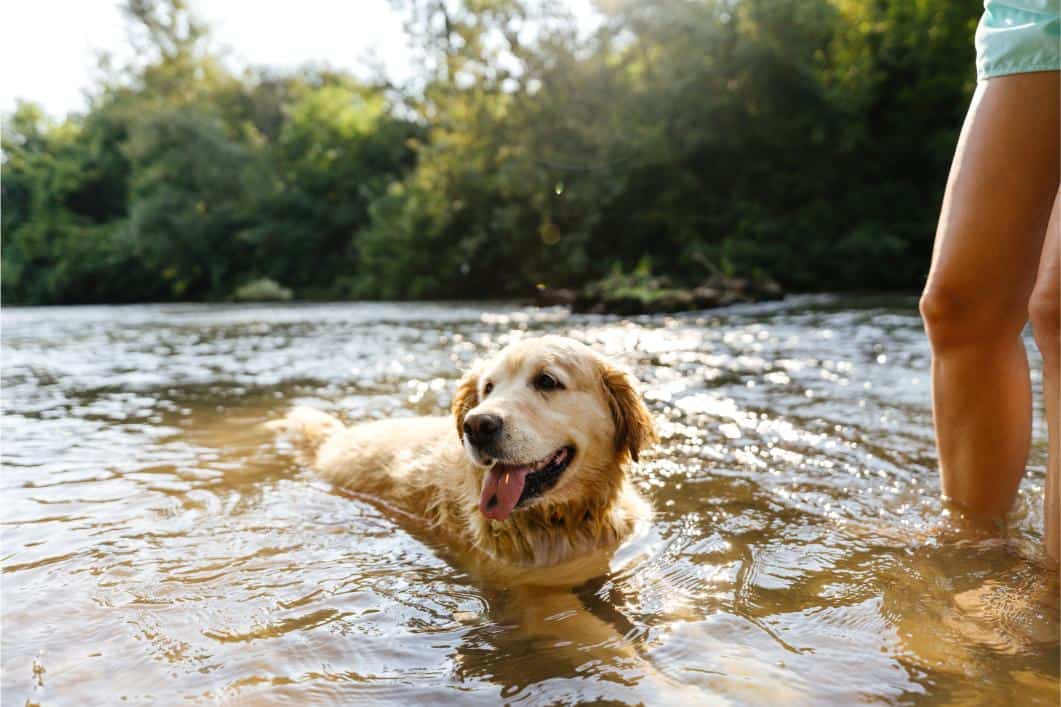
For many dogs, lake days offer the ultimate adventure—diving, paddling, and happily sipping from the water between splashes. But if your pup becomes ill afterward, it may signal more than simple overexcitement. A dog vomiting after swimming or drinking from a lake can be an early indicator of a more serious issue.
In this blog, our team at Allure Veterinary Partners discusses the risks so you can respond quickly and protect your dog’s health.
Unsafe Lake Water
Even the clearest lakes and ponds can contain hidden hazards, particularly during warmer weather. Natural water sources may harbor bacteria, parasites, and toxins that can make pets sick.
Potential risks include:
- Lake bacteria dogs may ingest while playing and swimming
- Parasites or pollutants from runoff
- Toxic algal blooms, commonly known as blue-green algae
Blue-Green Algae: A Hidden Danger
Among the most serious concerns is exposure to blue-green algae, a type of bacteria that can produce dangerous toxins. These blooms often appear as green, blue-green, or reddish film on the water’s surface, especially in stagnant or slow-moving areas.
Recognizing blue-green algae dog symptoms is essential. In severe cases, this form of water toxicity in dogs can become life-threatening in a short amount of time.
Watch for:
- Vomiting or diarrhea
- Excessive drooling
- Weakness or collapse
- Seizures
- Trouble breathing
Other Reasons Dogs May Get Sick
Not all cases of a dog vomiting after swimming are caused by toxins, but they still require attention. Dogs often swallow water while playing, and the bacteria they ingest can lead to gastrointestinal symptoms such as vomiting, diarrhea, and lethargy.
What to Do If Your Dog Shows Symptoms
If your dog becomes ill after lake exposure, keep a close eye on their condition. Mild stomach upset may pass quickly, but ongoing symptoms or changes in behavior should prompt a call to your veterinarian.
Seek immediate veterinary care if you notice:
- Signs consistent with blue-green algae dog symptoms
- Repeated or persistent vomiting
- Weakness or trouble standing
- Neurological symptoms such as tremors or seizures
Smart Steps for Safer Lake Visits
A few simple precautions can help reduce the risk of water toxicity in dogs:
- Bring clean drinking water to discourage lake drinking.
- Avoid areas with visible scum, discoloration, or foul odors.
- Rinse your dog thoroughly after swimming.
- Prevent your dog from licking residue off their coat.
- Supervise playtime to limit excessive water intake.
Stay Safe While You Splash
Lakes and ponds can still be wonderful places for dogs to explore, exercise, and cool off. By staying mindful of hazards like lake bacteria dogs may encounter and recognizing early warning signs, you can help ensure those outings remain safe and enjoyable.
If your dog shows signs of illness after swimming or drinking lake water, contact Allure Veterinary Partners at (916) 680-9975 for guidance and care.